
Not Today, Imposter!
Guest Blog: Overcoming Imposter Syndrome and Its Effects On Identify, Career
By Chrysta Bairre
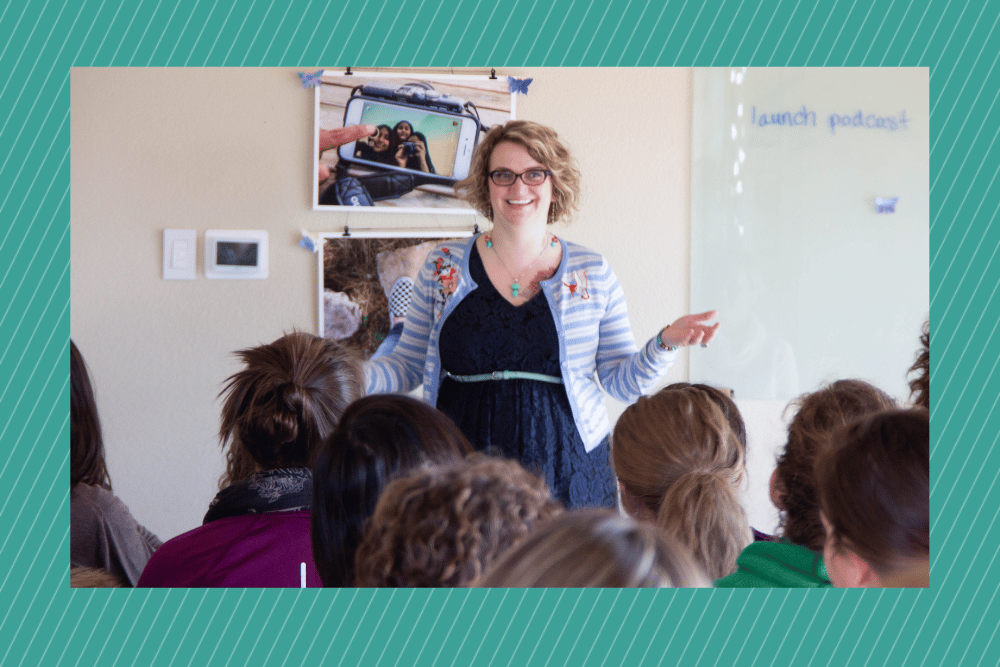
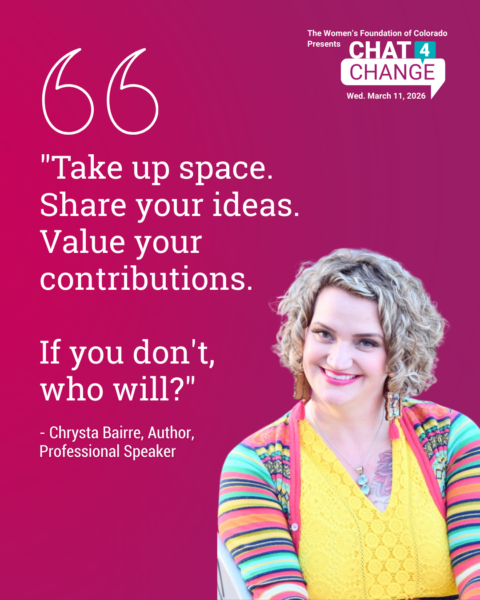 Chrysta Bairre is an advocate for herself and others. As a child she grew up in poverty, surrounded by family members with mental illness and addiction, while her own non-apparent disability went unrecognized and undiagnosed. A queer woman with several disabilities, she fought to get the help and support she needed to thrive, and became a voice for unseen and under-served people like herself. Today, Chrysta is an author and professional speaker on banishing burnout, overcoming impostor syndrome, and workplace mental health. Chrysta is also the founder of She Goes High, a 1,900+ member introvert-friendly and neurodivergent affirming community for women and non-binary leaders in Northern Colorado.
The world has taught me that I am different and don’t belong
I’m not afraid of being found out as fake. I don’t fear being a fraud. The first time I heard of imposter syndrome, I didn’t relate. “I don’t feel like an imposter,” I thought.
It wasn’t until later I realized I do, in fact, experience imposter syndrome. As a disabled, queer, autistic woman, I often don’t see myself as equal to those I aspire to associate with. The world has taught me time and time again that I am different and I don’t belong.
Because of this, I have often felt I have to prove myself because I still believe I haven’t earned what I have achieved. I feel I have to keep proving myself over and over, every day.
Imposter syndrome is complex for people with one or more marginalized identities
Imposter syndrome is particularly complex for people with one or more marginalized identities as systemic oppression adds another layer to the lived experience of imposter syndrome. When a person experiences systems that oppress their basic human rights and needs, it’s hard to believe that you truly belong and get enjoy all that you have accomplished.
Years ago, I was asked to give a presentation on imposter syndrome and I agreed, wondering if they had chosen the right person to present on this topic. That’s right, I was, on some level, afraid of being an imposter at speaking about imposter syndrome. I suppose they chose the right person to ask after all.
I’ve written my achievements off as luck, timing, and trickery
As I dug deeper into the research around imposter syndrome I discovered I experienced imposter syndrome regularly. Imposter syndrome isn’t just the fear of being discovered to be a fraud, it is the inability to internalize and embody personal accomplishments and achievements. These achievements may be written off as the result of luck, timing, or trickery.
Oh, you mean like thinking I never quite measure up? Believing I don’t quite belong in the roles and responsibilities I’ve been given? Feeling like I must prove myself every single day? I relate to that experience.
I’ve presented on imposter syndrome many times over the last 8 years, and I continue to see it in myself. As I write my second book and step onto bigger stages as I reach more people with my message, that voice of doubt in my head gets louder. “Who do you think you are,” the voice demands. “You don’t belong here. You don’t have what it takes.”
When overcoming imposter syndrome, it’s helpful to first recognize and name it
When navigating imposter syndrome in your life and career, I’ve learned it’s helpful to first recognize and name it. While imposter syndrome may have systemic causes, the impact is experienced by the individual, not the system. If you experience systemic oppression, I invite you to reclaim your identity as a valuable, worthy, and deserving human being.
As you move through your career, I invite you to take up your space in this world. Don’t let imposter syndrome keep you small when you want to play big!
One way to get started is to receive praise and compliments. Imposter syndrome stems from the inability to integrate accomplishments. Not taking credit for your accomplishments often starts with deflecting compliments and praise.
Practice with a mentor or friend to start receiving compliments
Start practicing with a mentor or a trusted friend. Make an agreement that whenever you’re complimented by that person you won’t say “thank you”. Don’t say anything in response. When you immediately say, “thank you,” you take positive attention off yourself and shift attention to someone else. Let the attention, and the words of praise, stay on you.
Another way to practice receiving praise is to reply to compliments saying, “thank you, I KNOW!” Work on owning those compliments! Saying, “I know,” in response to praise will be super uncomfortable at first- and that’s the point. Again, this usually works best when pre-arranged with a mentor or friend.
When practicing receiving praise outside your close circle of influence, pause and hear the compliment. Repeat the words to yourself and take a breath before you say, “thank you.” And please, oh please, do not discount the praise you’ve just received.
As you begin to fully receive compliments and praise, you improve your ability to integrate your accomplishments and overcome the effects of imposter syndrome on your identity and career.
Attend The Women’s Foundation of Colorado’s Chat4Change on March 11 on overcoming imposter syndrome
“Not Today, Imposter: Claiming Our Seats at the Table”
Join The Women’s Foundation of Colorado on the evening of March 11 for an intimate, interactive conversation, where three women from different cultures, professions, and lived experiences will share how they’ve navigated self-doubt, visibility, and belonging. Together, we’ll reflect on how as women we can claim space, recognize our impact, and show up with greater clarity and confidence—without needing anyone’s permission.
Panelists:
-
-
- Chrysta Bairre, Fort Collins author and speaker on banishing burnout, overcoming imposter syndrome, and workplace mental health
- Joanne Liu, Denver community leader and founder of nonprofit organization Asian Girls Ignite
- Stephanie Rideau, division vice president at Comcast, 2025 Women in Cable Telecommunications Rocky Mountain Woman of the Year
-